Chimney leak assessment in Rochester, MN
Investigate chimney-related water stains, damp masonry and leaks around the roofline.
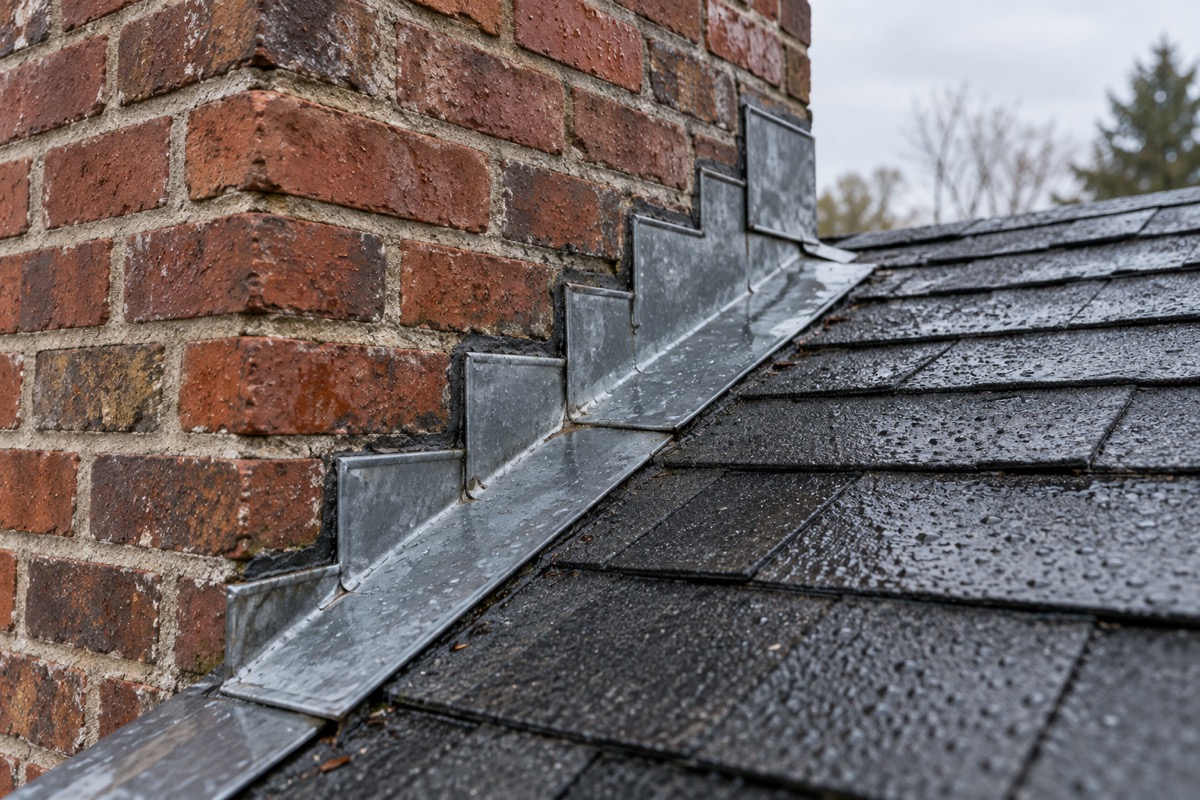
Describe when the water appears
Note whether the leak follows wind-driven rain, snowmelt or ordinary rainfall. Share where stains appear, whether the fireplace smells damp and any previous roof or chimney repairs. These clues help define an assessment; they do not identify the source on their own.
Check the connected parts
Caps, crowns, masonry and roof flashing can all be relevant. Ask how the proposed inspection will distinguish these areas and whether roofing work requires another trade. A blanket coating should not replace an explanation of what has failed.
Request a repair with a clear scope
Ask for the observed problem, recommended repair, materials and exclusions in writing. Clarify any follow-up checks and the terms of a workmanship warranty. Interior stain repair may be separate from fixing the water entry.
Follow the water path, not only the stain
Water near a fireplace can involve the cap, crown, masonry, flashing or adjoining roof details. We assess the visible condition and reported leak pattern before recommending a treatment. Note whether water appears with wind-driven rain, snowmelt or repeated wet weather, but leave roof access and testing to the service visit.
Use a repair that addresses the affected detail
A replacement cap, crown repair and flashing repair solve different problems. A surface treatment alone should not be assumed to correct an open joint or defective roof connection. Ask which entry point has been identified and whether more than one component needs work. If the evidence remains uncertain, agree on further investigation before broad repairs.
Weather and access shape the schedule
Rochester roof access and suitable conditions for the selected repair materials need to be considered when planning the work. Ask how the area will be protected between assessment and completion, if needed. Masonry work, roofing details and interior stain restoration may involve separate scopes; the exterior repair price should clearly state what is included.
Document the repair and follow-up
Keep the identified problem, completed work and any remaining concerns in your records. Ask how performance will be checked and what to report if water appears again. Compare chimney masonry repairs and chimney cap service where relevant, and review the main cost factors.
Before you approve the work
- Name the suspected or confirmed water-entry detail.
- Separate masonry, flashing and interior restoration scope.
- Confirm weather requirements and follow-up arrangements.
Water in the fireplace: documenting a chimney leak
Water in a firebox or staining around the fireplace should prompt a source assessment. The visible endpoint does not reliably identify whether the entry path is the crown, cap, masonry, flashing or another part of the building.
Capture the pattern
Photograph visible moisture from indoors or ground level. Note when it appears relative to rain and whether previous repairs changed the pattern. Keep clear of wet electrical components and avoid using a wet or suspect appliance.
Ask for an inspection sequence
Ask us to explain what will be checked and whether roof or interior investigation may require another trade. A single exterior coating should not substitute for identifying the relevant conditions.
Clarify the proposal
Separate source repair from interior finish restoration. Request photographs and written findings so a roofer, chimney professional or other contractor can work from the same information if needed.
Before approval
Ask what follow-up is available if moisture returns and what the written terms cover.
Chimney flashing leaks: roofing and chimney scope
Water near a chimney can involve the roof intersection as well as masonry or top components. A useful assessment identifies which trade and repair scope are needed instead of assuming every stain is a crown or cap problem.
Describe the timing
Record where moisture appears and whether it follows particular rain conditions. Share previous roof or chimney work and photographs taken from a safe location. Do not climb to inspect sealants or metalwork.
Assessment questions
Ask whether the proposed visit evaluates the flashing and surrounding roof materials. If the chimney contractor does not perform roof work, clarify whether a roofer's assessment is also needed.
Temporary versus permanent work
Have the contractor identify whether a proposal is a temporary measure, a localized repair or replacement of the flashing arrangement. Ask what evidence supports the chosen approach and what remains outside its scope.
Before approval
Confirm who handles surrounding roof restoration and how separate contractors will coordinate if both roofing and masonry work are required.
Chimney staining: assessment before cosmetic cleaning
White deposits, dark streaks or rust-colored marks can make a chimney look worn, but color alone does not establish the cause or necessary repair. Cosmetic cleaning and investigating an underlying condition are separate purchases.
Describe what changed
Take safe ground-level photographs and note whether staining is new, recurring or accompanied by loose masonry or interior moisture. Include previous waterproofing or repair work in the history.
Ask before cleaning
Ask us to explain whether the masonry and metal components need inspection before choosing a cleaning approach. Avoid applying household chemicals, pressure washing or coatings based on a photograph alone.
Compare the outcomes
A proposal should distinguish appearance improvement from work intended to address moisture entry or component deterioration. Ask whether cleaning could reveal additional damage that was not visible initially.
Before approval
Request the method, protected surrounding surfaces, limitations and any separate repair recommendations in writing.