Chimney sweeping in Rochester, MN
Remove soot and buildup with a defined cleaning scope for your fireplace and chimney.
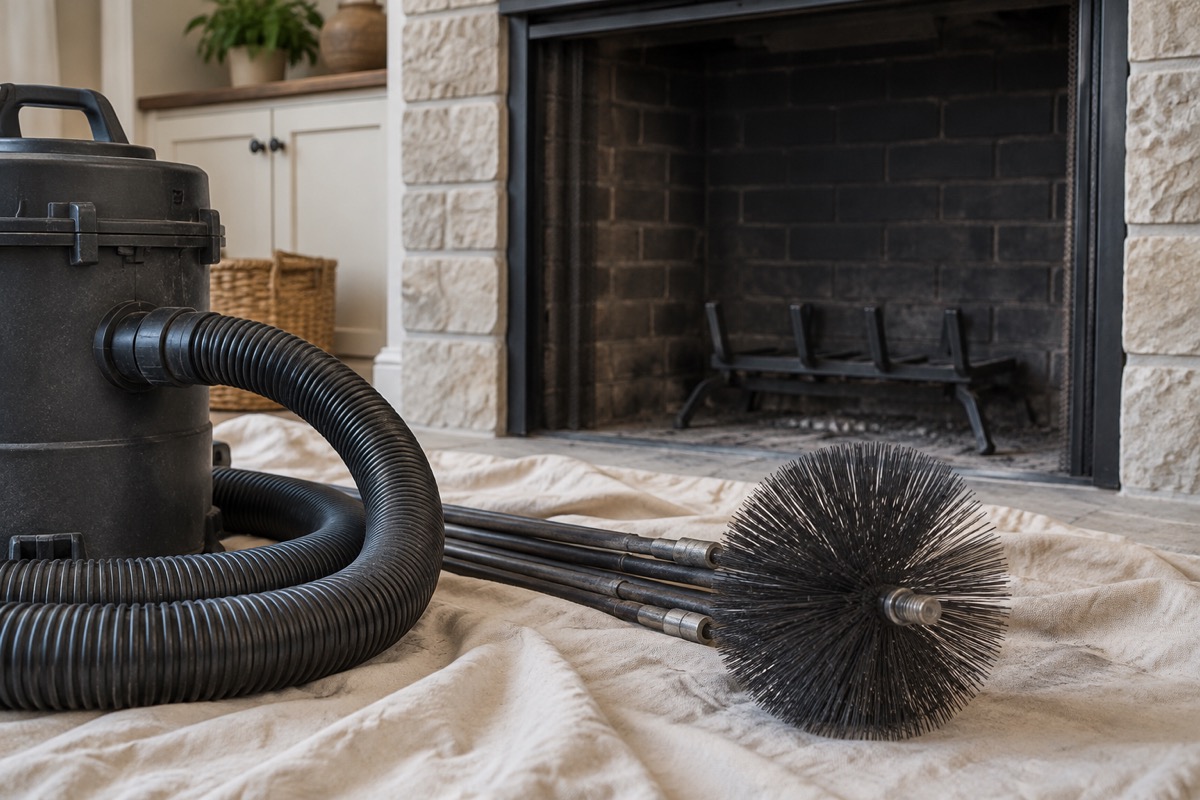
Know what your sweep includes
Tell us whether you have an open masonry fireplace, a wood stove or an insert. Ask which parts of the system will be cleaned, how the room will be protected and whether an inspection is included. Appliance connections and access can change the scope.
Sweeping and inspection work together
Cleaning removes deposits; inspection looks for conditions that may need attention. Ask for a summary of the findings, any areas that could not be accessed, and photographs where helpful. A sweep alone is not a guarantee that a system is safe to operate.
Before the appointment
Leave the appliance unused and fully cool for the period requested by us. Clear the hearth and nearby furniture, keep pets away from the work area, and gather any previous inspection reports. Share smoke, odor or draft concerns before the visit.
Define the appliance and flue being cleaned
A home can have more than one fireplace or venting system. Tell us which appliance needs service, what fuel it uses and whether there have been smoke or odor problems. The scope should name the flue and accessible components included. One sweeping appointment should not be assumed to cover every chimney, appliance connection or vent in the property.
Cleaning does not repair a damaged chimney
Sweeping addresses deposits within the agreed scope; damaged masonry, deteriorated liners and water entry need separate evaluation. If a defect is found, ask for an explanation and a distinct repair recommendation. A freshly cleaned chimney should not be described as safe for every use without considering its condition and the connected appliance.
What affects the visit and price?
Access, appliance configuration, the number of flues and the nature of the deposits affect the work. Confirm how the room will be protected and whether camera inspection or additional deposit removal is included. Allow the appliance to be out of use as instructed before the visit. Do not attempt roof access or internal cleaning to prepare.
Set a maintenance plan for your Rochester home
The Chimney Safety Institute of America’s homeowner guidance distinguishes annual inspection from cleaning as needed. Keep the findings with your home records and discuss service timing before the next period of regular use. Compare chimney service cost factors or arrange a dedicated chimney inspection.
Before you approve the work
- Name the fireplace, appliance and flue covered by the price.
- Clarify inspection, cleanup and any additional cleaning charges.
- Ask whether defects require attention before further use.
Plan your fall chimney sweep before the first fire
Preparing to use a fireplace or wood stove this fall? Request a chimney inspection and discuss whether sweeping is needed before returning the system to use. Tell us when it was last inspected, which appliance it serves and whether you noticed smoke, odors, water entry or changes in draft. A calendar reminder helps plan maintenance, but cleaning needs depend on the actual condition.
The Chimney Safety Institute of America recommends annual checks, with sweeping or repair as needed. This is maintenance guidance, not a claim that our brand holds a particular certification. Ask who will perform the visit and confirm their qualifications, inspection scope and documentation.
Prepare a useful fall service request
- Include your town, ZIP code, appliance type and number of flues if known.
- Share the last inspection report and any changes since then, including a new insert or long period without use.
- Ask whether the estimate includes inspection, cleaning, camera work and a written findings report.
- Confirm the appointment, travel charge and any separate repair approval before planning around the visit.
Follow our instructions for how long the appliance must remain unused and cool. Clear the hearth and work route, secure pets and leave roof access to the professional. Sweeping removes deposits; it does not certify the entire system or resolve every draft or masonry issue. See inspection options and cost and scope questions.
Request a fall chimney assessment. Availability must be confirmed; no same-day or pre-winter appointment is promised. If smoke enters the room, stop using the appliance until the concern is assessed. For a suspected chimney fire, carbon monoxide alarm or immediate danger, leave the building and call 911 from a safe location.
Chimney sweeping versus inspection: what are you booking?
Sweeping and inspection serve different purposes even when offered in one appointment. Clarifying the scope helps prevent assuming that a cleaning receipt is a comprehensive assessment of the entire system.
State the reason for the visit
Tell us whether this is routine care, a performance complaint, a home purchase or follow-up after a suspected incident. The reason can change what assessment is appropriate.
Ask about documentation
Find out which parts are inspected, whether camera examination is included and how limitations are reported. A package label alone does not explain what the technician can see or establish.
Coordinate further work
If findings lead to repair recommendations, request the evidence and scope separately. Ask whether the fireplace can be used in its present condition and follow us's written instructions.
Before booking
Review the CSIA's homeowner resources and confirm the exact service included in us's quote.
Chimney odors: useful information for an inspection
An odor from the fireplace can have different explanations depending on moisture, deposits, use and the condition of the system. Describe the timing and location rather than buying a deodorizing product as a substitute for inspection.
Make safe observations
Note whether the odor follows rain, humid weather or fireplace use. Mention visible water, debris or changes in airflow. Do not reach into the flue, handle unidentified debris or operate the fireplace to test the smell.
Choose the service scope
Ask whether an inspection, cleaning or water-entry assessment is appropriate. If the source remains uncertain, request a clear explanation of what additional work would establish it.
Treatment versus cause
A cleaning or repair proposal should say which finding it addresses. Masking an odor is different from identifying why it occurs. Confirm whether any recommended work is optional or needed before further use.
Before booking
If a gas odor or carbon-monoxide alarm suggests immediate danger, leave and contact the appropriate emergency service rather than submitting an ordinary website inquiry.
Chimney draft problems: preparing for professional diagnosis
A fireplace that performs differently after a renovation, appliance change or period of disuse needs evaluation in its actual home setting. Draft complaints should not be addressed by guessing at chimney extensions or replacement parts.
Describe the history
Tell the inspector what changed, when symptoms happen and what equipment is connected. Include recent roof work, fireplace alterations or home ventilation changes. Stop use if smoke enters the room or unsafe operation is suspected.
Assessment boundaries
Ask what the visit can establish about the appliance and venting arrangement and whether another specialist is needed. A brief visual inspection may not answer every performance question.
Compare proposed remedies
Request the reason for each modification and how its suitability will be verified. A quote should identify the intended outcome and any remaining uncertainty instead of promising a universal draft fix.
Before approval
Keep previous reports available so we can compare changes rather than repeat assumptions from an incomplete history.
Smoke entering the room: stop use and arrange assessment
Smoke spilling into a room is a reason to stop using the fireplace and arrange qualified assessment. Do not keep lighting fires to reproduce the problem or rely on a guide to declare the system safe.
Immediate response
If there is a fire, a carbon-monoxide alarm or an immediate danger, leave the affected area and contact emergency services.
Information for the inspector
Record the appliance type, when the problem occurred and any changes to the fireplace, ventilation or home since it last operated normally. Share previous inspections and cleaning history without attempting internal inspection yourself.
Ask about the scope
Clarify whether the visit evaluates the venting path and appliance arrangement, and what additional specialist work may be required. Cleaning and a safety assessment are related but not interchangeable services.
Before reuse
Ask for documented findings and us's instructions about whether and under what conditions use can resume.
Preparing for a chimney inspection or sweeping visit
A clear service purpose, safe access and useful records help us plan the appointment. Preparation does not involve climbing the roof, removing chimney parts or testing a questionable fireplace.
Before arrival
Confirm us's instructions about fireplace use before the visit. Arrange access to the fireplace and relevant equipment, secure pets and move fragile belongings from the work area as requested.
Records to gather
Have the appliance information, previous reports and a list of concerns ready. Mention roof-access difficulties, previous alterations and any known unsafe condition when booking rather than waiting until the technician arrives.
Discuss the scope
Ask about protective coverings, inspection limitations, photographs, report delivery and cleanup. Confirm who may approve extra work and how additional charges are handled.
Before booking
Explain whether you need routine cleaning, a condition assessment or investigation of a particular symptom; these should not be assumed to be the same appointment.