Chimney masonry repair in Rochester, MN
Assess deteriorated mortar, damaged bricks and chimney crowns before choosing a repair.
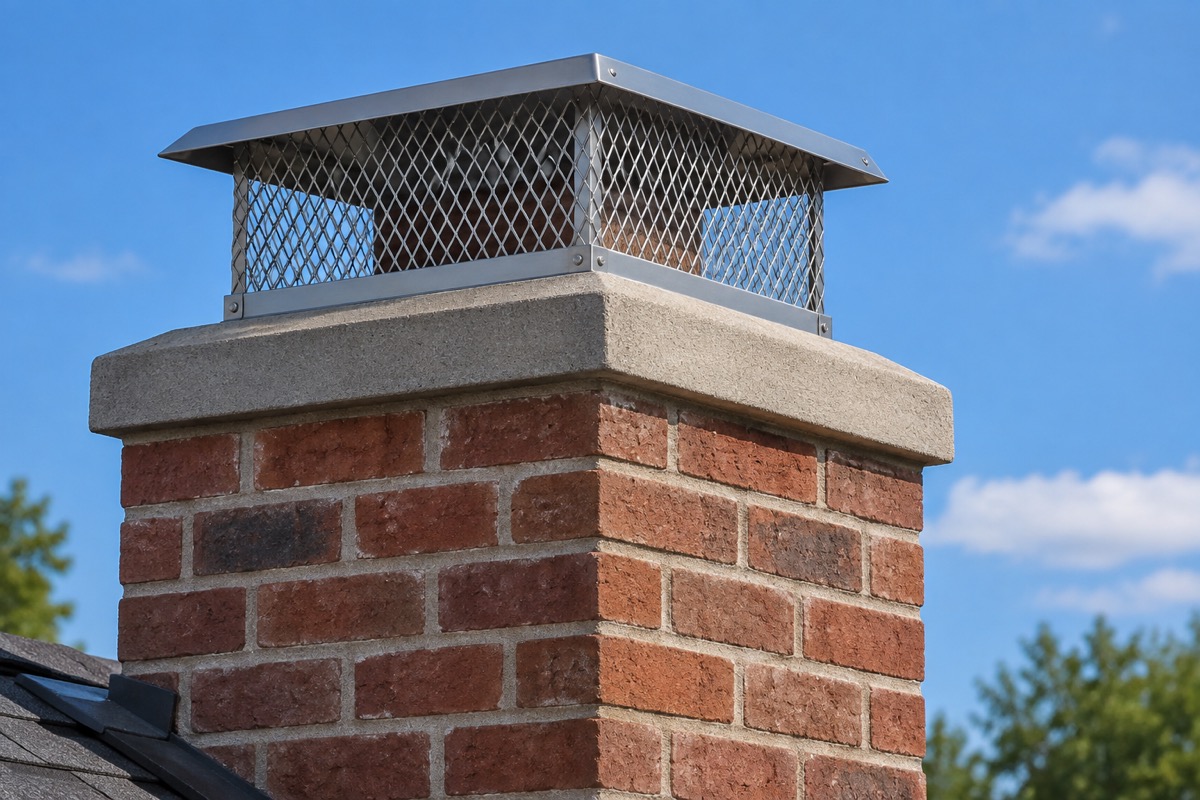
Find the extent of the damage
Loose mortar, cracked crowns and flaking brick deserve a closer look. Ground-level photos and a description of when the damage appeared help start the conversation. A qualified assessment should determine whether localized work is appropriate or a larger repair is needed.
Repointing, crown work and rebuilding are different jobs
Repointing addresses deteriorated mortar joints. Crown repair or replacement concerns the protective top of a masonry chimney. Rebuilding replaces damaged masonry. Ask for a proposal that identifies the affected areas, materials and how the work relates to any existing leak.
Plan for access and Minnesota weather
Roof pitch, chimney height and safe work access affect the job. Temperature and weather can affect masonry work and curing. Confirm permit requirements with us and local authority, and ask who handles roof protection, debris and cleanup.
Check the City of Rochester permit guidance for your scope.
Chimney crown repair: repair or replacement questions
The crown and cap are different parts of a chimney. When a quote recommends crown work, ask us to identify the component and explain the damage rather than treating every top-of-chimney leak as the same repair.
Start with documentation
Request inspection photographs with the affected area identified. Ground-level views may not show enough detail to decide between patching and replacement. Roof access belongs with an appropriately equipped professional.
Compare approaches
Ask what a localized repair would address and what conditions favor replacement. Clarify preparation, materials, adjoining components and whether any separate cap or flashing work is included.
Water-entry uncertainty
A crown repair should not be sold as proof that all leakage paths have been eliminated. Ask how we will assess related components and explain any limitations to confirming the source of moisture.
Before approval
Have the scope distinguish crown work from cap installation, masonry work and roof flashing so competing proposals can be compared accurately.
Chimney mortar repair: when repointing needs assessment
Missing or deteriorated mortar deserves an assessment of the surrounding masonry, not simply a request to cover the visible gaps. The repair proposal should explain the condition of the joints and whether other components also need attention.
Useful observations
Take ground-level photographs of the affected face if safely visible. Note fallen material, interior staining and when changes appeared. Do not climb onto the roof or pull at loose masonry to inspect it.
Questions about scope
Ask which joints will be repaired, how deteriorated material will be addressed and how replacement materials will be selected for the existing masonry. Cosmetic surface coating is a different scope from repairing joints.
Related conditions
Ask whether the crown, flashing or other water-entry points need assessment so new mortar is not presented as a solution to every moisture problem. Separate those findings and costs in the proposal.
Before approval
Request the limits of the repair area, access arrangements, cleanup and any written warranty directly from us.
Winter-related chimney damage: planning a masonry assessment
After a Rochester winter, loose material or new cracks deserve documentation and professional review. Seasonal timing can help explain the history, but it does not by itself determine the repair needed.
Observe from the ground
Note new fragments, visible changes and any associated interior moisture. Keep away from areas below loose masonry and do not climb to check the top of the chimney.
Assess connected issues
Ask whether the inspection will address both damaged masonry and possible moisture-entry conditions. A patch to the visible surface may be incomplete if another component requires attention.
Plan the work
Discuss access, weather-related scheduling and whether temporary precautions are needed before a permanent repair. Have the contractor explain what can be assessed now and what may require a return visit.
Before approval
Request a defined repair area, materials approach and how the condition will be documented before and after the work.
Chimney repair versus rebuilding: compare the evidence
A rebuilding recommendation should explain why localized repairs are insufficient. Ask the contractor to connect the scope to documented condition rather than treating age or appearance alone as the deciding factor.
Review the assessment
Request photographs, affected locations and the limits of the inspection. Clarify whether the concern is exterior masonry, internal venting, the appliance connection or more than one part of the system.
Compare complete scopes
A repair quote may cover only joints or a crown, while rebuilding can involve access, demolition, disposal and work around the roof. Ask what remains unchanged under each option and what approvals or specialist involvement may be required.
Consider use and compatibility
Tell us how the fireplace or appliance will be used after work. Any proposal needs to be suitable for that arrangement, not merely restore the outside appearance.
Before approval
Get the intended outcome, exclusions, documentation and written warranty terms directly from us.
Comparing chimney repair estimates without guessing
Two chimney estimates can differ because they address different components, inspection findings or levels of access. Compare the written work, not only the final number.
Match scope to evidence
Ask any contractor you are considering to identify the photographed or documented condition behind the recommendation. Check whether the proposal covers masonry, venting, flashing or an appliance-related issue and which parts remain outside the scope.
Find the missing items
Look for access equipment, permits where applicable, removal, disposal, roof restoration and cleanup. Clarify who supplies replacement components and verifies compatibility with the existing system.
Understand uncertainty
If concealed damage could change the work, ask how findings will be reported and who authorizes changes. A contingency is different from an unexplained open-ended price.
Before approval
Keep the inspection report, accepted estimate and written warranty together. The website inquiry does not set a technician's prices or authorize repair work.